


Low Profile Long Bottom Skid Steer Bucket Guide
Get the Attachment Your Project Needs
Shop proven, work-ready attachments that help you tackle any task with confidence.
LEARN MOREFinish grading exposes the limits of a conventional utility bucket quickly. If the cutting edge disappears behind tall sides, the operator has less visual control over shallow cuts, backfill placement, and the final surface. Bucket geometry matters as much as machine size when the goal is a consistent grade rather than simply moving material.
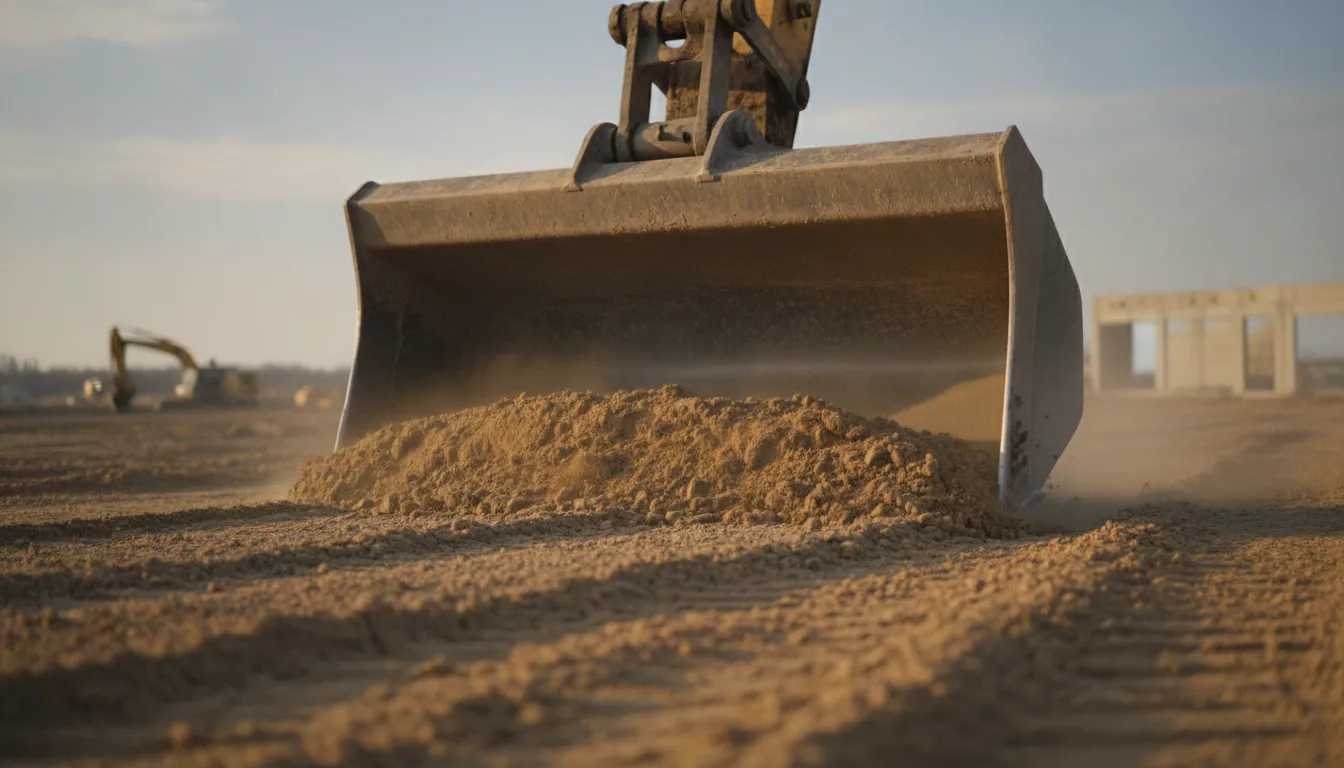
A low profile long bottom skid steer bucket uses shorter sides and back with an extended bottom to improve visibility of the cutting edge. That layout is designed for finish grading, leveling, backfilling, and cleanup, while common widths such as 72. 78, and 84 inches provide sizing options for different machines and working clearances.
The right choice still depends on the work area, tire or track width, material, and required durability. Understanding how the extended bottom changes visibility and control provides the starting point for comparing this design with a standard bucket.
Shop the skid steer bucket collection today to compare low-profile, long-bottom, and utility bucket options side by side for your next grading job.
What Is a Low Profile Long Bottom Skid Steer Bucket?
A low profile long bottom skid steer bucket is a grading-focused attachment built around visibility and controlled ground contact. Compared with a conventional utility bucket, it has shorter side walls, a lower back, and a bottom that extends farther forward. That geometry keeps the cutting edge in the operator's sightline when the bucket is close to the ground. Making it easier to judge the cut, carry a consistent angle, and place material accurately.
The design addresses a practical problem during finish work: if the operator cannot see the bucket edge. It becomes harder to know exactly where the attachment is cutting or filling. Lower sides and an extended bottom reduce that blind spot. The result is more direct feedback through the cab, especially when the loader arms are lowered and the bucket is working across a prepared surface. Finish-grading guidance from Virnig identifies this operator visibility as a central advantage of low-profile bucket geometry.
How the geometry improves control
The extended bottom provides a longer contact area for smoothing soil, while the lower shell makes the cutting edge easier to monitor. This combination helps the operator make small corrections at the bucket rather than relying on large loader-arm movements. A slight change in bucket angle can adjust the depth of the cut more efficiently. Which is useful when shaving high spots, filling low areas, or bringing a surface toward its final grade.
Many grading applications also benefit from a shell with one primary bend at the back. According to the same grading guide, a single bend can level more effectively than a multi-bend shell when the skid steer is working in reverse. That does not make the attachment a universal replacement for every bucket. Instead, it gives the operator a purpose-built profile for surface preparation, finish grading, and controlled backfilling where edge visibility matters.
What to look for when comparing models
Look closely at the side-wall height, bottom length, cutting-edge visibility from the cab, and the attachment's overall width. Construction quality also matters for repeated ground engagement. Some low-profile bucket designs use heavy-duty steel, including USA Grade 50 steel, selected for its strength-to-weight characteristics and supported by reinforcing bends in the shell. Confirm the manufacturer's specifications for the model and width that match your loader.
For a model-specific starting point, browse the Bradco by Paladin low-profile bucket and review its listed configuration before ordering. The right low profile long bottom skid steer bucket should improve what the operator can see and control without sacrificing the structural capacity required for the intended material and site conditions.
When Should You Use a Low-Profile Long-Bottom Bucket?
A low-profile long-bottom bucket is the right choice when the job depends on controlled material placement rather than maximum digging depth. Its extended bottom and low sides give the operator a clearer view of the cutting edge and the material as it moves across the work area. That visibility is especially useful when the bucket must finish a surface close to a wall, foundation, patio, curb, or other fixed edge. For a suitable attachment, compare the Top Dog skid steer dirt bucket with the dimensions and coupler requirements of your machine.
- Finish grading: Smooth topsoil, base material, and prepared construction areas where small corrections determine the final grade.
- Leveling: Distribute material across broad areas, shave high spots, and fill low spots before the final pass.
- Backfilling: Place soil accurately along walls, foundations, trenches, and hardscape edges.
- Site cleanup: Gather loose dirt, redistribute windrows, and leave a cleaner surface after excavation or construction work.
Finish grading and leveling
For finish grading, operate with the bucket flat and the loader arms lowered. Make small corrections with the bucket angle instead of repeatedly moving the arms to control cutting depth. This approach gives the operator more consistent control over a shallow cut and helps reduce the risk of creating new ridges. The process is usually iterative: shave down obvious high spots, fill low areas, then make progressively lighter passes. The finish-grading guidance from Virnig supports this flat-bucket technique and the use of minor angle adjustments.
Long-bottom geometry also provides more surface contact for smoothing. A shell with one primary bend generally levels better when the operator back-dragging or moving in reverse. Which makes it useful for blending transitions and correcting a surface without aggressive digging. The bucket is particularly effective when the goal is a uniform plane for landscaping, a building pad, or general site preparation.
Backfilling and cleanup near fixed edges
When backfilling against a wall or foundation, visibility matters as much as capacity. The extended bottom lets the operator watch where the leading edge is placing material, helping maintain a controlled gap and reduce unnecessary contact with the structure. It is not a substitute for careful machine positioning or utility checks, but it gives the operator a more useful sightline during the placement pass.
Choose this bucket when the work calls for repeatable leveling, controlled backfilling, and a clean finish. A taller utility bucket may be more appropriate for carrying bulky material, while a low-profile long-bottom design excels when accuracy and edge visibility are the priority.
Low-Profile vs Standard Skid Steer Bucket: What's the Difference?
The main distinction is geometry, not simply bucket size. A low-profile long-bottom bucket uses shorter sides and back with an extended bottom, so the operator can see the cutting edge while grading or placing material. A standard utility bucket generally has taller sides that hold more material, but they can obstruct the edge view from the cab. That makes each design better suited to a different type of dirt work.
| Feature | Low-profile long-bottom bucket | Standard utility bucket |
|---|---|---|
| Design profile | Low sides and back with an extended bottom that supports a clear view of the bucket edge. | Higher sides and a deeper utility shell designed to contain and move more material. |
| Operator visibility | Improved visibility of the cutting edge for more controlled grading, leveling, and backfilling. | More limited edge visibility when the taller sidewalls block the operator's sightline. |
| Best application | Precision grading, finish work, spreading, cleanup, and placing soil along walls or edges. | General utility work, loading, carrying, heavier digging, and moving larger material volumes. |
| Common bucket width | 72, 78, or 84 inches, depending on the attachment and machine setup. | Varies by model and capacity. Choose a width that clears the tires or tracks. |
| Typical steel | Grade 50 steel is used in some heavy-duty low-profile designs for strength and durability. | Steel grade varies by manufacturer and model. Review the construction specification before purchase. |
The extended bottom gives the low-profile design a practical advantage when the finish surface matters. With the edge visible, the operator can make small corrections with bucket angle instead of repeatedly changing loader-arm height. The same visibility helps when backfilling beside a foundation, patio, wall, or other finished edge. For guidance on finish-grading technique, see the finish-grading guide from Virnig Manufacturing.
A standard utility bucket remains the more flexible choice when the priority is carrying capacity or heavier digging. Taller sides help retain loose material during transport, while a deeper shell is generally better aligned with loading and bulk dirt work. If your work regularly alternates between volume handling and precision surface preparation, compare the available skid steer utility bucket options against low-profile models rather than assuming one bucket can perform both roles equally well.
Width still matters whichever profile you select. A bucket should be at least two inches wider than the skid steer tires or tracks so the machine does not track over freshly graded soil. The 72-, 78-, and 84-inch low-profile sizes provide common starting points, but the correct choice depends on the machine's outside width, operating capacity, and the material being handled. Review the utility bucket specifications and confirm the attachment dimensions before ordering.
How to Match Bucket Width and Specs to Your Skid Steer
Correct sizing starts with the machine's actual tire or track width, not an assumed attachment size. For finish grading, choose a bucket at least 2 inches wider than the tires or tracks. A slightly wider bucket is preferable when the work area allows it because the cutting edge must extend beyond both sides of the machine. Otherwise, the skid steer can drive over the soil you just graded and leave ruts that require another pass. This sizing principle is outlined in Virnig's finish grading guide.
Measure the machine at its widest point, then compare that measurement with the bucket's published outside width. Do not rely only on the nominal width in a product name. Tire size, track configuration, wheel spacers, and the bucket's side plates can affect the working clearance. For example, common low-profile bucket widths include 72, 78, and 84 inches. Those options give operators room to match the attachment to different skid steer sizes and site conditions. But the correct choice is the one that clears the machine while remaining manageable for the loader's rated operating capacity.
Width is only one part of the specification. Check the bucket's construction material and reinforcement details before selecting an attachment for repeated ground engagement. USA Grade 50 steel is used in heavy-duty low-profile bucket construction because it offers a high strength-to-weight ratio. That balance helps the bucket withstand demanding grading, backfilling, and material-handling work without adding unnecessary attachment weight. Reinforcement bends and shell design also matter because they help resist deformation under load. Review the manufacturer's published specifications for the exact model rather than assuming every bucket uses the same steel grade or reinforcement pattern. See the heavy-duty utility skid steer bucket listing for one example of a bucket specification page.
Finally, evaluate visibility and geometry alongside width. A low-profile, long-bottom design uses shorter sides and an extended bottom so the operator can see the bucket edge near the ground. That view is valuable when feathering material, trimming a grade, or placing fill close to a wall or foundation. It also makes it easier to judge whether the cutting edge is carrying material or riding too high. Browse the skid steer bucket collection and compare width, steel construction, attachment weight, and intended application before ordering. The best match is wide enough to protect the finished grade, strong enough for the planned work, and sized for the skid steer's capacity.
Tips for Finish Grading and Backfilling With a Low-Profile Bucket
A low-profile bucket gives the operator a clear view of the cutting edge, but consistent results still depend on setup and control. Use the following sequence when preparing a base, backfilling beside a structure, or shaping a landscaped area.
- Prepare the work area. Check for known underground sprinkler lines, plumbing, and other utilities before moving material. Remove baseball-sized rocks and larger pieces before the final grading pass. A skeleton rock bucket can help separate larger rocks from soil before you switch to the grading bucket. Starting with a clean surface reduces bumps and prevents debris from distorting the finish.
- Establish a level working base. Shave down obvious high spots and use available soil to fill low spots. The goal is to make the ground as even as practical before attempting precise finish grading. Taking out major variations first prevents the final pass from carrying too much material and producing waves.
- Lower the loader arms and set the bucket flat. Work with the bucket flat and the loader arms lowered. Maintain a steady travel speed and use small bucket-angle corrections to change the depth of the cut. Minor angle adjustments are generally more efficient for depth control than repeatedly moving the loader arms, which can create abrupt changes in the grade. See the finish-grading guidance from Virnig for the operating principle behind this technique.
- Make overlapping passes. Work across the area in controlled passes, allowing the extended bottom to smooth the surface rather than trying to remove a deep cut in one movement. For backfilling, place manageable amounts of soil and back-drag or level in reverse where appropriate. A shell with a single rear bend can level more effectively in reverse than a design with multiple bends. So keep the bucket geometry in mind as you work.
- Shape drainage away from structures. Near a foundation, patio, or deck, build soil up as needed to direct runoff away from the structure. The finished ground should slope away from a foundation at least 6 inches within the first 10 feet. For landscaped areas, maintain a minimum 2% slope for drainage. Confirm the intended elevations before the final pass, especially where a driveway, walkway, or finished floor limits the available fall.
- Inspect and refine the finish. Stop periodically to check the surface from several angles. Remove any rocks exposed during backfilling, correct isolated depressions, and make another light pass rather than forcing a large correction with a full bucket. If the machine has tracked across the finished soil, rework those tire or track marks while the material remains workable. For additional attachment options, browse the Haugen skeleton rock bucket and related skid steer buckets.
These techniques turn the bucket's visible edge and long bottom into practical grading control. The result should be a stable, even base with drainage shaped for the surrounding site, not simply a surface that appears flat from the cab.
Is a Low-Profile Long-Bottom Bucket Right for Every Job?
No. A low-profile long-bottom bucket is a specialized choice, even though it remains capable of routine dirt work. Its extended bottom and shorter sides improve visibility of the cutting edge, which is valuable when grading, backfilling along walls, spreading material, or cleaning up a work area. That geometry gives the operator better control close to the finished surface, where small changes in bucket angle can affect the result.
For precision work, the advantages are practical rather than cosmetic. A visible cutting edge makes it easier to shave high spots, fill low areas, and maintain a consistent grade across the site. The extended bottom also helps when placing soil near foundations, patios, and other edges because the operator can see where material is being deposited. A single-bend shell can improve leveling while back-dragging or working in reverse, depending on the bucket design. These characteristics make this style a strong fit for finish grading, landscape preparation, backfilling, and final cleanup. Shop a skid steer dirt bucket when these tasks make up most of your attachment work.
However, the same low sides and long floor that improve control can limit the bucket's suitability for high-volume loading. If the primary job is maximum-capacity digging, carrying dense material, or moving large amounts of loose soil between locations. A standard utility bucket may offer a more productive combination of side height and capacity. Higher sides can hold more material during transport, while a conventional profile may be better suited to general loading cycles. Review the differences before choosing, and use this skid steer bucket buying guide to compare bucket designs, cutting edges, and application requirements.
Durability should also be evaluated by construction, not profile alone. The referenced low-profile bucket specifications use USA Grade 50 steel, a high-strength material suited to demanding ground-engaging work. Reinforcement bends and other structural details help resist shell deformation under load. That does not make every low-profile bucket interchangeable, so check the product's width, attachment interface, cutting edge, and intended operating conditions before ordering.
For many operators, the right answer is not choosing one bucket for every task. Use a low-profile long-bottom model as the precision tool for grading, backfilling, spreading, and cleanup, while keeping a standard utility bucket available for capacity-focused loading. It still handles everyday dirt work well, but matching the bucket to the dominant job will improve control, cycle efficiency, and finished results. Compare available dirt bucket options against your machine and project requirements.
Order a low-profile or utility skid steer bucket that matches your machine width and grading workload before your next project.
Frequently Asked Questions
What is a low-profile long-bottom bucket best used for?
It is best suited to finish grading, leveling, backfilling, and cleanup where visibility of the cutting edge matters. The lower sides and extended bottom help the operator monitor the edge near the ground, making controlled surface work easier than with a taller utility bucket.
How wide should my grading bucket be?
Choose a bucket at least 2 inches wider than the skid steer's tires or tracks so the machine does not track over freshly graded soil. Common low-profile widths include 72, 78, and 84 inches, but the correct choice still depends on the machine's rated capacity, attachment interface, and the working area's access limits. Source: Virnig Manufacturing
Can I use this bucket for backfilling?
Yes. An extended bottom improves visibility while placing material near foundations, patios, trenches, and other edges. A shell with one primary bend can also level more effectively when you back-drag or work in reverse. Confirm the surface is clear of large rocks and buried utilities before grading.
What material should a low-profile bucket be made from?
For demanding ground-engaging work, look for a shell and reinforcement layout built for the machine's operating conditions. USA Grade 50 steel is one documented construction choice, offering a high strength-to-weight ratio for attachment durability. Review the manufacturer's published steel, cutting-edge, reinforcement, and capacity specifications for the exact model before ordering.
Ready to Shop for the Right Bucket?
A low-profile long-bottom bucket can give you better visibility and control when finish grading, backfilling, or cleaning up a work area. Compare available widths, attachment designs, and build specifications to match the bucket to your skid steer and the work ahead.