

Fork Extensions: A Practical Buyer and Safety Guide
Get the Attachment Your Project Needs
Shop proven, work-ready attachments that help you tackle any task with confidence.
LEARN MORELifting a wide pallet with standard forks puts your load and your job site at risk. Heavy-duty fork extensions give your skid steer or telehandler the extra reach required for odd-shaped or bulky materials, but only when the extension size, load, and machine capacity are compatible.
Shop fork extensions sized for your existing pallet forks.
Fork extensions are steel sleeves that slide over your existing pallet forks to provide extra reach and stability for oversized loads. These tools allow skid steers and telehandlers to lift bulky items like trusses, lumber, or large crates without needing a whole new fork set. While they are useful, they greatly change how your machine handles by shifting the load center forward. Because of this, OSHA requires prior written approval from the machine manufacturer before you can use any attachment that affects capacity. Most safety standards also say that extensions should not be more than 150 percent of the main fork length to prevent tipping. High quality models use Grade 50 steel and include welded straps to stay secure during heavy use. Using them correctly ensures you can move more material while keeping your crew safe on the ground.
Choosing the right set starts with understanding when extensions are appropriate, how they affect load handling, and what to verify before purchase.
What are fork extensions used for?
Fork extensions are heavy steel sleeves that slide over your current forks. They allow you to add to the length of your gear for certain jobs. These tools help you move items that are too long or bulky for standard forks. Most units use grade 50 steel to handle tough daily work. They often have a bright yellow finish to help people see them on the job site.
Handle long or bulky loads
The main use for fork extensions is to support loads that hang off the edge of short forks. When a load is too deep or wide, it can tip or fall if not held well. Using extensions gives you the extra reach needed to get under the full weight of the item. This is very helpful for moving large crates, long bundles of wood, or light machines.
By adding reach, you keep the load steady and safe. These sleeves are built to slide on and off in just a few seconds. They usually come in pairs to make sure both sides of the load have even support. If you already have compatible pallet fork setup, these sleeves add reach fast. You can get the extra length you need without buying a new set of long forks.
Support light and large items
Many users pick these tools for items that take up a lot of space but do not weigh much. For example, large empty tanks or light farm gear can be hard to balance on short forks. The extra length of the fork extensions helps spread the weight across a large area. This stops the item from bending or slipping during the move.
Some extensions have a curved tip design. This shape helps the tool slide under pallets without catching on the wood or harming the goods. While they add length, they are not meant for every task. You should only use them when your standard forks cannot reach far enough to keep the load steady.
Follow safety and length rules
Safety is the most vital part of using any new tool on your machine. OSHA rules state that you must get written approval from the maker before you add tools that change lift limits. Adding fork extensions can change the load center and impact the balance of your forklift or skid steer. You may need to lower your max lift weight to stay safe and avoid tipping.
Most fork extensions also feature welded straps to keep them in place. These straps ensure the sleeves stay on the forks during use. A fork extension should never be more than 150 percent of the length of the forks under it. Each sleeve must also have a clear stamp that shows its load rating. You must always follow these ratings to stop the steel from bending or breaking.
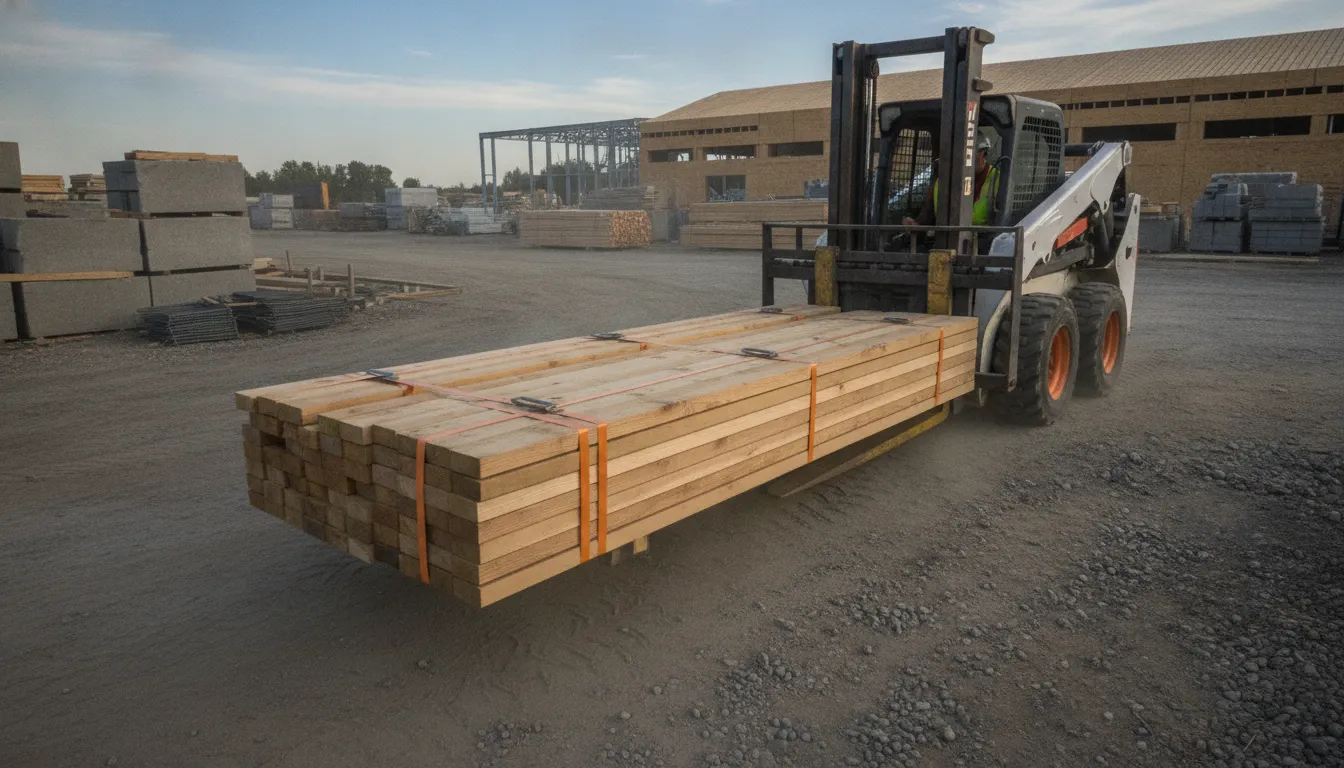
Fork extensions vs. longer forks: which should you choose?
Use fork extensions for occasional oversized loads when the sleeves fit the base forks and the machine is approved for the changed capacity. Choose purpose-built longer forks for frequent long-load work because they provide a fixed, integrated setup. The safest choice depends on load dimensions, frequency, and the manufacturer's rated limits.
When to use extensions
Extensions are best for rare tasks that need extra reach. They are easy to use because they slide on and off your standard-duty pallet forks in seconds. This speed makes them great for busy yards that handle many load types. They help you pick up odd-sized pallets or big crates without a new setup.
Safety is key when you use these tools. OSHA rules state that any part added to your lift affects its capacity and safe use. Because of this, you must get written approval from the manufacturer before you use them. This step ensures your machine stays safe and meets legal codes on the job site.
When replacement forks are better
If you move long loads every day, full replacement forks are a better pick. They provide a fixed load center and a solid build that does not shift. Replacement forks are often stronger than sleeves. They also keep your machine closer to its real lift rating. This makes them safer for heavy work where you cannot risk a change in balance.
Replacement forks are also better when space is tight. They have a slim shape that makes it easier to see and move in small areas. While they take longer to switch out, they offer the best performance for full-time heavy lifting. You will not have to worry about sleeves sliding or straps coming loose during a lift.
Comparing your options
This table shows the main points to think about when you pick your reach tool. Use it to find which one fits your work and budget best.
| Feature | Fork Extensions | Longer Replacement Forks |
|---|---|---|
| Install Speed | Fast (seconds) | Slow (minutes) |
| Cost | Lower | Higher |
| Daily Use | Occasional | Constant |
| Storage | Easy and small | Takes more space |
| Stability | Good for light loads | Best for heavy loads |
Always check your load charts before you start a lift. Adding length moves the weight further away from the machine. This change means you must carry less weight to stay safe and prevent tipping. No matter which tool you choose, stay within the limits stamped on the gear to keep your crew safe.
How to choose the right fork extensions
Choose fork extensions by measuring the base fork width, thickness, and length, then checking the extension's fit range and rated capacity. Confirm that the extension length follows the applicable manufacturer guidance and that your machine remains approved for the shifted load center. Never select extensions by length alone.
Measure your machine forks
You must start with a tape measure. Look at the blades on your machine. You need to know how wide and how thick they are. Most forks come in standard sizes, but you should not guess. If the fit is loose, the load might shift. This can cause the machine to tip over. If the fit is too tight, you will struggle to get them on and off. Check the width of the blade at the top and bottom. Also, check the thickness of the steel. The sleeves often have a limit on how thick a fork they can slide onto. Knowing these numbers keeps your work site safe and helps you work fast.
Most common forks are 4 or 5 inches wide. You should also check the length of your current forks from the tip to the back. This number is vital for picking the right add-on. If you buy a sleeve that is too long for your base, it can bend or snap. Always use a clear tape and write down the numbers. A small error in size can mean the tool will not work. This leads to downtime and extra costs for your shop.
Find the safe length
Length is not just about reach. It is about how the machine holds the weight. You should follow a clear rule here. Your fork extensions should not be longer than 150% of the base fork. This means the add-on can only add half the length of your current fork. If you have 4-foot forks, do not go over 6 feet in total length. Going past this point puts too much stress on the metal. It can cause the base fork to snap or the extension to buckle. A long reach also makes it hard to see. You might hit walls or racks if you are not careful. Always pick the shortest length that gets the job done for the best balance.
Think about the loads you move most often. Short sleeves are easier to store and easier to drive. They also stay closer to the machine, which keeps the load stable. Longer ones are good for light, bulky items like foam or empty crates. But they are hard to use in tight spaces. Check your yard for tight turns before you buy. If you pick a tool that is too long, you might not be able to turn. This can cause you to hit other items or walls.
Check your load limits
Every machine has a limit on what it can lift. This limit is based on where the weight sits. When you use fork extensions, the weight sits further away from the machine. This is called the load center. Moving the weight out reduces how much you can lift. You must know these new limits to avoid tips or breaks. OSHA rules say you must get a note from the maker of your machine. This note should say that the machine is safe to use with the new tool. It should also give you new charts for how much weight the machine can carry.
Look for extensions with a clear weight stamp on the side. This helps you stay within the safe range. Never go past the weight shown on the stamp. Even if your machine feels strong, the metal can fail. You should also think about the weight of the tool itself. These tools are heavy. They add weight to the front of your machine before you even pick up a load. Subtract the weight of the tool from your total lift limit. This keeps you safe and avoids wear on your machine's parts.
- Measure the width and thickness of your current forks to find a good fit.
- Pick a length that does not go over 150% of your base fork length for better safety.
- Check your machine's book to find the load center limits for new tools.
- Talk to the machine maker to get a note of consent for the change as required by law.
- Look for a pair made of high-grade steel that can handle daily work in the field.
- Make sure the tools have a strong strap or pin to hold them in place during use.
Skid steer and telehandler fork extension considerations
Load limits and centers
Adding extension sleeve options to a skid steer or telehandler changes how the machine works. Every unit has a rated operating capacity that shows what it can safely lift. When you add length to your forks, you move the load center further away from the machine. This shift often lowers the total weight you can lift before the machine tips. For skid steers, the safe limit is often half of the tipping load, so even small changes can cause big risks.
Telehandlers use another way to track weight. They have booms that extend, so they rely on load charts to show safe limits at many angles. Using these tools with long tips requires you to read the charts again. You must make sure the new load center stays within the safe zone of your machine. This helps you avoid crashes while moving heavy goods on the job site.
Balance and reach
Balance is a key concern when you use long tools. Skid steers have a short base, which makes them easy to turn but easy to tip forward. If you use fork extensions that are too long, you might lose steering control or roll the unit. A good rule is that pallet fork and frame options should not have extensions longer than 150% of the base fork length. This limit keeps the machine stable during daily work.
Telehandlers give you more reach, but they are also quick to tip with weight shifts. As the boom goes out, the machine's lift power drops fast. Adding extensions makes this effect even stronger by moving the weight further away. You should test the unit's balance at full reach before you start your task. Careful planning keeps the machine on the ground while you work on a busy site.
Getting maker consent
The most vital rule for using extensions is getting the right consent. OSHA rules say that you need written consent from the maker for any change that affects machine capacity. Extensions change the math of how a machine stays upright, so the maker must check your setup. This ensures that the extra length will not cause the machine to fail or tip over under a normal load.
If the machine maker is no longer in business, you can still get help. You can hire a trained engineer to check and approve your changes. They will look at the load charts and the strength of the steel to make sure everything is safe. Keeping these files on site is key for staying in line with safety laws. It also protects your crew and your gear from harm.
How can operators use fork extensions more safely?
Safe use starts before you even slide the tools onto your machine. Fork extensions are great for moving long or large loads. But they also change how your machine acts. You must follow strict rules to keep your crew and gear safe. If you do not follow these rules, you risk tipping the machine or dropping a load. Most crashes happen because a user did not know the limits of their tools. Knowing the safe way to lift can save time and keep your job site running well.
Maker okay and rules
The first step for using fork attachment options is getting a written go-ahead. OSHA says you must get an okay from the maker of your machine first. This rule is for any tool that changes how much you can lift. This is because fork extensions clearly change the balance and safety of your truck. You need to know that your machine can handle the extra length without failing. The stress on the frame can be much higher when the load is far out.
If the maker is no longer in business, you must talk to a pro engineer instead. They can check your gear and tell you if the change is safe. They will look at how the new tools affect the frame and hydraulics. Getting this help helps you stay in line with U.S. rules. It also keeps your workers safe from harm on the job site. Once you have the okay, keep a copy of the letter with your machine at all times. This helps during a site check or if a new user takes over the machine.
Sizing and load limits
You must also choose the right size for your tools. A common rule is that extensions should never be more than 150% of the length of the forks they sit on. If your forks are too short, the load could tip or the gear could bend. As a guide, if your forks are 48 inches long, your extensions should not be more than 72 inches. You must also check the stamped load limit on the side of each extension. Always follow this number and never go over it. Good tools are often made of high-grade steel to handle this stress.
Keep in mind that using fork extensions moves the center of your load forward. This means you must carry less weight than your machine's usual limit to stay safe. Most makers give you a chart to show how much you can lift with the extra length. Using the wrong chart is a common cause of tip-overs. Always keep your load charts handy for quick checks. If the load feels shaky, you should stop and check your math before you lift it any higher.
Safe travel and site rules
Before each shift, check your heavy-duty fork setups for any signs of wear. Look for cracks in the steel or parts that look bent or warped. Many tools use welded straps to stay in place. Make sure these straps are tight and in good shape before you lift a load. Once the load is on, make sure it is in the center. This keeps the weight even on both sides of the machine. It also prevents the load from sliding off during a turn. You should always test the fit before you head into a busy yard.
Always keep the load low to the ground while you move. This keeps the weight low and helps keep the machine from tipping. Move slowly and avoid making fast or sharp turns. High-sight colors like yellow help other workers see the gear as you move. This is key in busy yards where people might be walking near your machine. If you can not see the path ahead, you may need a spotter to guide you. Never use the tools to lift people, as they are not meant for that task. If you are not sure about a lift, stop and talk to your boss first.
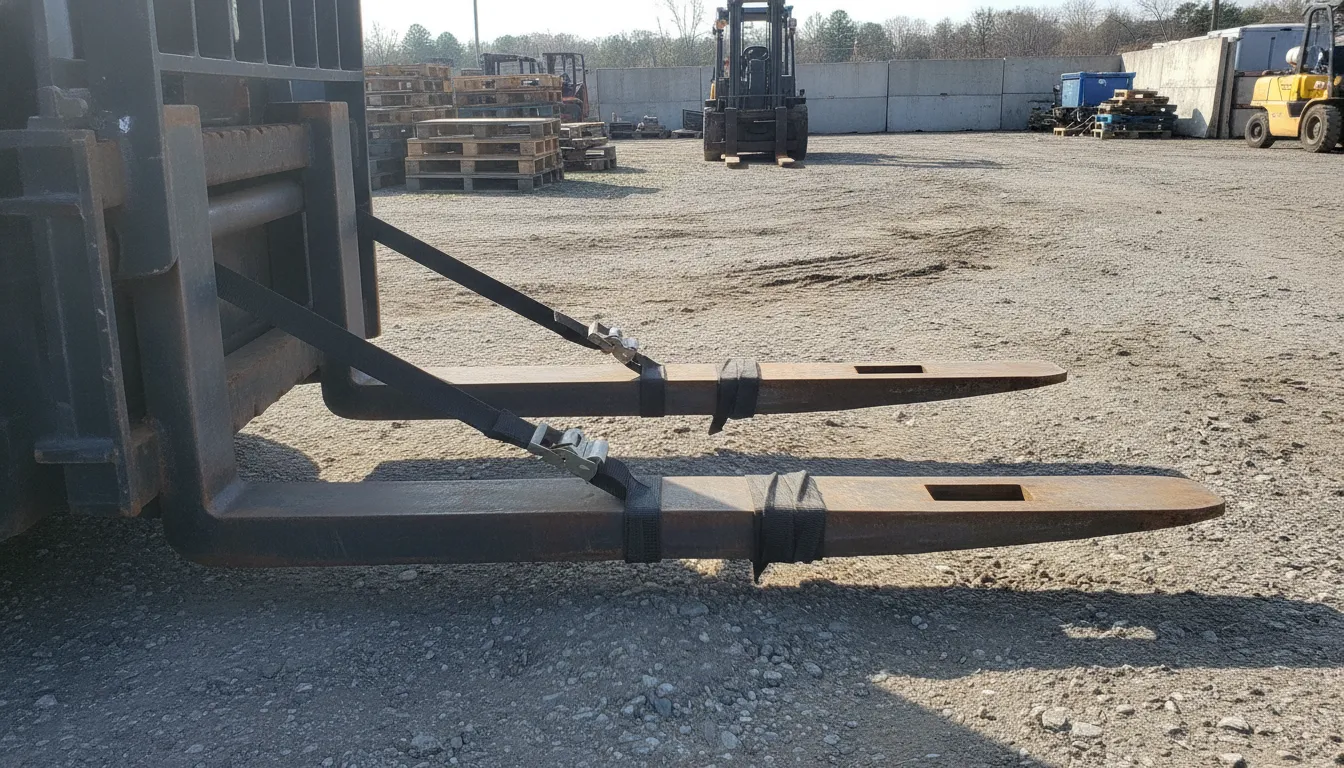
Inspecting and maintaining fork extensions
Taking care of your gear keeps your work site safe. You should check your fork extensions every day before you start your shift. These tools add length to your forks, but they also change how your truck stays steady. Because they change your load limit, you must follow OSHA safety standards to keep your machine from tipping. A quick walk around your gear can help you find small issues before they become big risks.
Daily pre-use checks
Start your check by looking at the metal on each tool. Well-made tools use Grade 50 steel to handle hard work. Look for any deep marks, bends, or signs of stress in the steel. If the metal looks warped, the tool may no longer sit flat on your skid steer forks. Using a bent tool can make your load shift or slide while you lift it.
Check the paint on your tools too. Most have a yellow coating so people can see them. While a few chips are normal, look for rust in those spots. Rust can eat into the metal and make it weak over time. Keep your gear clean so you can see the metal clearly. Dirt and grease can hide cracks that would tell you the tool is about to break.
Checking the holding straps
The holding straps are a key part of the tool. Most designs use welded straps to keep the sleeve from sliding off the main fork. Look closely at the welds where the strap meets the tool body. You should not see any gaps or cracks in these spots. If a weld breaks, the tool could fall off while you move a pallet. This is a major risk to anyone working near the machine.
Make sure the straps are not bent or stretched out. They should fit tightly around your forks to keep the tool from shaking. If the straps are loose, the tool might shift from side to side. This movement can damage your machine or cause you to drop your load. If you find any damage to the straps, stop using the tool right away and get a repair.
When to replace your tools
Every tool has a load limit stamped into the metal. You must stay within this limit to keep your truck steady. If the stamp is hard to read, you should mark it again or get a new tool. Using a tool without knowing its limit is a big risk. You should also check the tip of the tool. Curved tips help you pick up pallets without damage, but they can wear down after a lot of use.
Store your gear in a dry place when you are not using it. Keeping it off the ground and out of the rain stops rust from forming. If you see signs of heavy wear that you cannot fix, it is time to buy new fork extensions. Trying to use old, weak tools to save money is not worth the risk of a crash. New tools give you peace of mind that your gear will stay strong under a heavy load.
Make fit and capacity your buying priorities
Choosing the right fork extensions for your machine is a key safety choice. You must find a balance between the reach you need and the stability of your tool. A poor fit can lead to load slips or even tip-overs. Always start by measuring your current forks to ensure the new parts will slide on well and lock into place.
Check machine capacity and ratings
Every set of extensions changes how your machine handles weight. OSHA notes that any change to a forklift that affects capacity must have prior written approval from the maker. This rule helps ensure your machine stays stable while lifting heavy or long loads. You should check your data plate to see how the added length impacts your lift limits before you start a new job.
Quality tools come with clear load ratings stamped on the steel. You must follow these limits to avoid bending the metal or hurting your machine. If you use pallet fork attachments on a skid steer, confirm that the extensions match the class and weight rating of your frame. Overloading your forks can lead to high repair costs and site risks.
Match the extension to your use case
The length of your extension should never exceed 150% of the length of your actual forks. If your forks are 48 inches long, your extensions should be no more than 72 inches. This ratio keeps the center of mass in a safe spot for your driver. Using a reach that is too long makes the machine less stable and harder to turn in tight spots.
Think about the type of load you move most often. If you handle wide crates or long pipes, look for a slim tip and a wide base. You might also want a high-visibility finish to help your team see the fork tips in low light. When you buy for skid steer forks, pick a strong steel that can take daily wear. A good set of extensions will last for years if you use them within their rated capacity.
Frequently Asked Questions
What if my machine maker is out of business?
If the company that made your skid steer or telehandler is no longer around, you still need to follow safety rules. According to OSHA, you should first look for the company that bought the original maker. If no such company exists, you must hire a qualified engineer to check your machine. This expert can then give you the written approval you need to use the add-on safely. Taking this step protects your team and keeps you within the law.
Why are fork extensions usually painted bright yellow?
Safety is the main reason these tools are painted with a bright color. As shown by Arrow Material Handling Products, a high-visibility yellow powder coating helps the operator and other workers see the tips of the forks. This is vital when working in dim light or busy yards where people might be walking nearby. A clear coat also helps the metal resist rust and stay strong over years of use. This simple feature makes your site much safer for everyone.
Can fork extensions be used to lift standard pallets?
Yes, you can use these tools to move pallets if they have the right design. Many high-quality sets feature a curved tip that allows the operator to slide under a pallet without snagging the wood. According to Arrow Material Handling Products, this shape makes it easy to lift and set down loads without causing damage. However, you must always make sure the pallet weight does not exceed the load limit of the extension. Using the right tip saves time and protects your goods.
Are fork extensions sold one at a time or in pairs?
When you shop for these tools, you will find that they are almost always sold in pairs. As noted by Arrow Material Handling Products, buying a pair ensures that both sides of your machine have the same level of support. This balance is vital for keeping your loads level and preventing the machine from leaning to one side. Never try to use a single extension or mix different brands. Using a matched set is the best way to keep your work safe and steady.
Are you ready to find the right fork extensions for your machine?
Working with gear that is too short puts your loads at risk and slows down your crew on every single job site you visit. You can stop these costly delays and safety risks right now by getting the reach you need to move large items with more ease. Picking your new tools today means you will be ready for the next big task without any more lost time or wasted work.
Ready to shop fork extensions? Browse our full stock online to shop fork extensions and contact us to get the best fit for your machine today. Review available sizes online, then verify measurements and compatibility for your machine before ordering.