

Skid Steer Cab Enclosure: Complete Cold-Weather Comfort Guide
Get the Attachment Your Project Needs
Shop proven, work-ready attachments that help you tackle any task with confidence.
LEARN MOREA skid steer cab enclosure is a protective kit that seals the machine's operator area from outside weather and site debris. These kits are vital for maintaining a safe workspace because enclosure integrity prevents wind-driven contaminants from entering the cab, according to the CDC. Prices for these upgrades range from $400 for universal vinyl covers to more than $2,000 for heavy-duty polycarbonate systems. Vinyl or nylon enclosures provide a cost-effective way to get winter protection and block cold drafts without a major investment. Choosing the right material ensures the operator stays warm while also reducing exposure to dust and noise on the job. This accessory is the foundation for a complete system of skid steer cab enclosures and accessories.
Understanding how these kits work is essential before you buy any parts for your machine. You need to know which materials will stand up to your specific job site conditions. What Is a Skid Steer Cab Enclosure and Why Do You Need One? covers the basics of these protective systems. Here is how they can improve your winter operation.
What Is a Skid Steer Cab Enclosure and Why Do You Need One?
A skid steer cab enclosure is a protective system that wraps around the frame of your machine. Most skid steers come with a steel cage for safety. While this keeps you safe in a roll, it leaves you open to the wind. An enclosure adds walls and doors to seal the cab. These kits often use tough materials like nylon, vinyl, or plastic to block rain and snow.
Protect your health on the job
Working in dirt can be hard on your lungs. One of the best reasons to add an enclosure is to keep out harmful dust. According to the Centers for Disease Control and Prevention, a sealed cab helps block wind-driven dirt from getting inside. This seal is key if you work in areas with silica dust or fine grit. Keeping the air inside clean helps you stay safe during long work days.
Work through every season
Heavy snow and cold wind can stop your work if your cab is open. A skid steer cab enclosure lets you keep working when the weather turns bad. Using skid steer cab enclosures and accessories made of vinyl or nylon is a smart way to stay warm for less. These low-cost covers block the wind and trap heat. This helps you finish your tasks even in the peak of winter.
Block noise and debris
A sealed cab does more than just keep you warm. It also acts as a shield against loud engine noise and flying debris. When you add a door and side panels, you create a wall between you and the work site. This makes the cab much quieter and safer. Whether you move brush or dig in rocky soil, an enclosure helps you focus by keeping the mess outside where it belongs.
Vinyl Enclosures vs. Polycarbonate Doors: Which Is Right for You?
Picking the right skid steer cab enclosure is a big move for any owner. You must think about how you use your machine and the weather you face. Keeping the cab tight is key to safety. A good seal stops wind and dust from getting into the work area. According to the CDC, a sealed cab is needed to keep out harmful dust and protect the person inside.
Nylon and vinyl soft enclosures
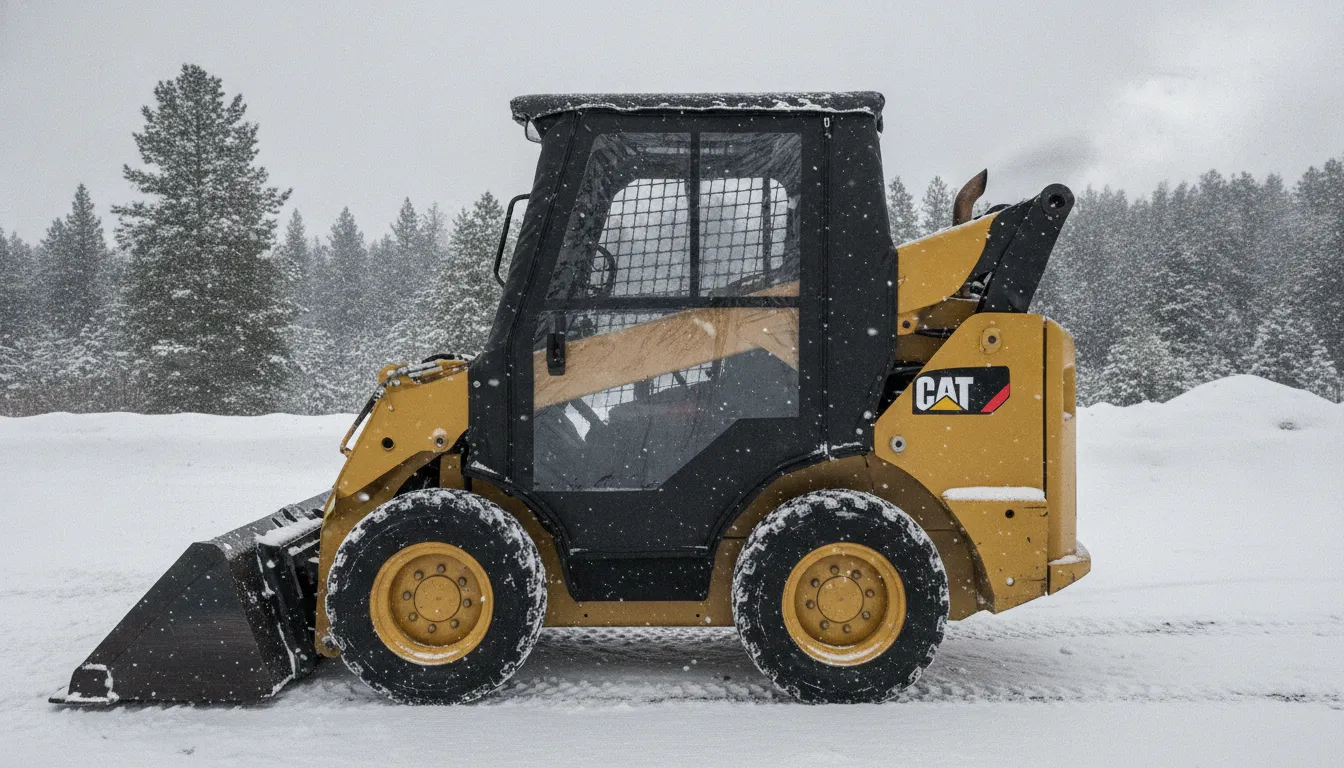
Soft enclosures are a top pick for many shops. These kits often use tough nylon or vinyl to block out the cold. They are light and easy to put on your machine when the first snow falls. Most operators choose these for standard winter work. A Bobcat skid steer cab enclosure made of nylon gives good cover from wind and wet snow. It is a smart way to stay warm without spending too much cash.
Vinyl kits bend and stay clear. They let you see all around the machine while you work. These covers are best for light building sites, farming, or clearing a road. They keep the heat in and the wind out. If you only need to stay warm for a few months, a soft kit is a great tool for your fleet.
Heavy duty polycarbonate hard doors
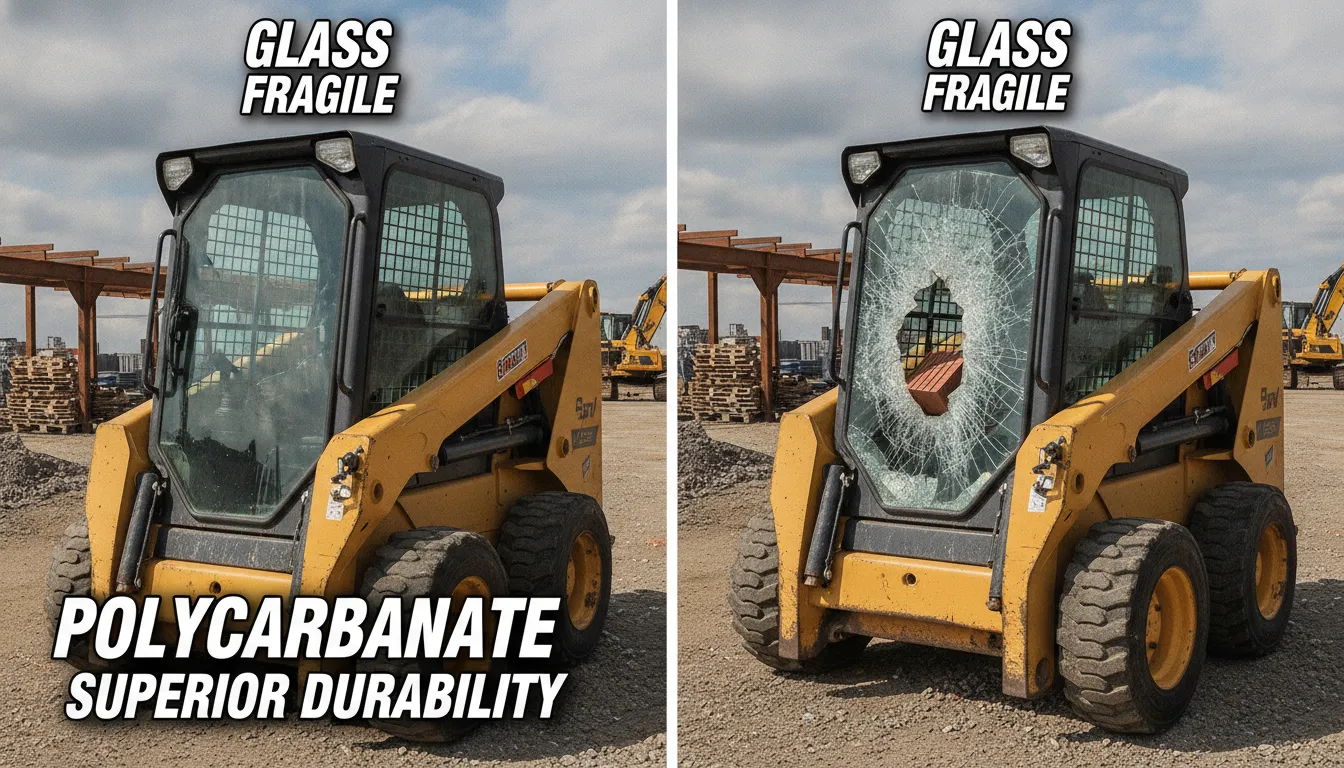
Some jobs need more than just a wind block. Hard doors are built for tough sites. These kits use thick polycarbonate or glass. This material is very strong and can take a hit. If you work in demolition or forestry, a hard door is the best choice. It shields you from flying debris and heavy impacts. Polycarbonate doors are built to last for years in the harshest spots on earth.
Hard kits also help keep the cab quiet. They block more noise than thin vinyl does. This makes a long day of work much easier on the operator. These doors stay on the machine all year round. You do not need to take them off when the sun comes out. They offer the best safety for high risk jobs like clearing trees or breaking up old concrete.
Finding the best value for your work
The cost of a kit depends on the material you pick. Price points for skid steer cab enclosures and accessories can vary quite a bit. You might pay about $400 for a simple universal nylon cover. A full heavy duty hard door kit can cost over $2,000. It is a wide range, so you should check the skid steer cab enclosures and accessories list to find a match for your budget.
Think about your daily tasks before you buy. If you just need to plow snow, a soft kit is fine. If you work around falling rocks or brush, a hard door is a must. The right choice will keep you safe and warm all day long. Buying a good kit now saves you from cold and dust later on.
| Feature | Vinyl / Nylon Enclosure | Polycarbonate Hard Door |
|---|---|---|
| Primary Use | Winter cover and light duty | Forestry and demolition work |
| Price Range | $400 to $800 | $1,200 to $2,000 plus |
| Durability | Fair against wind and rain | High impact and shock resistance |
| Installation | Quick and easy to remove | Long term or fixed mount |
| Visibility | Good through clear vinyl panels | Excellent through clear hard door |
Cab Heaters: Essential Cold-Weather Comfort Upgrades
Working in the cold is hard on both you and your gear. When the frost sets in, a good heater changes the way you work. Many owners find that adding a cab heater along with skid steer cab enclosures and accessories is a top winter upgrade. This setup traps warm air and blocks the wind to keep you safe and alert. You will find that you can stay on the job longer even when the cold gets bad.
How Heaters Improve Your Day
A heater works best when your cab is sealed tight. A good cover keeps the heat from leaving and stops icy drafts from getting in. This seal also helps with safety. Based on CDC data, a sealed cab can lower your risk from harmful dust on the job site. When you stay warm and breathe clean air, you can work longer shifts without getting tired. Plus, a warm cab keeps your stick controls from feeling stiff in the morning.
Pick the Right Style of Heat
You have two main ways to warm up your cab. The first style uses the hot fluid from your engine. These kits tap into the cooling lines to blow hot air through a small core. They are very solid but can take a bit longer to set up. The second style uses small fuel-run units or 12V parts. These are often easy to add and start giving off heat right away. Both types help keep your glass clear by drying the air inside the cab. This stops fog from building up on your glass while you work.
Key Setup and Use Tips
Putting in a heater takes some care to get the best heat. You must route the hoses away from moving parts to avoid leaks. Make sure the unit is placed where it will not get in your way during daily checks. Check all the seals around your doors to stop heat loss. A tight fit means your heater does not have to work as hard to keep you warm. You may also want to add a small fan to help move the hot air around the cab. Good setup ensures you stay cozy all day long.
Wiper Kits and Visibility Accessories for Snow and Rain
Working in the winter brings tough jobs like clearing snow or moving dirt in the rain. These tasks get much harder when you cannot see out of your cab. A high-quality skid steer cab enclosure keeps you dry, but you also need tools to keep your view clear. Wiper kits and other tools help you work safely when the weather turns bad.
The Role of Electric Wiper Kits
When snow or rain hits your glass, it can quickly block your sight. Many pros suggest using 12V wiper kits to help with this. These kits use a small motor to move a blade across your window so you can stay focused on the job. You can find these parts in our full line of cab enclosures and accessories.
The right kit depends on your cab type. You can choose from single or dual wiper arms. Dual arms cover more space, which is good for large windows. It is also smart to look for kits with speed controls. This lets you change the blade speed for a light mist or a heavy storm.
Handling Ice and Mud
Cold rain and wet snow often freeze as soon as they hit a cold pane. This ice build-up is a big risk for you. If your enclosure has vinyl windows, you must be careful. Ice sticks to vinyl quite easily. A wiper kit helps, but you might need to clear the windows by hand. Adding a cab heater can also help by keeping the glass warm enough to melt thin ice.
- Clear loose snow off the roof before you start.
- Use a soft brush to remove ice from vinyl windows.
- Check that your wiper blade is soft and not cracked.
Keeping Cab Seals Tight
Keeping your cab sealed is not just about staying warm. It also keeps out wind, dust, and rain that can ruin your view. The CDC says a tight seal prevents wind-driven dirt from entering the cab. This helps keep the air clean and stops your windows from getting foggy or dirty.
Check your door seals and window edges often for leaks. Even a small gap can let in enough wet air to fog up your glass. If you find a leak, fix it fast to keep your cab safe. Proper care of your machine ensures you are ready for any season.
Replacement Windows and Doors for Skid Steer Cabs
Working in a skid steer during bad weather or on dusty sites needs a good cab. Over time, stock windows and doors can crack, fog, or break. You might need to fix a broken pane or add a door to an open cab. Many kits exist to help you keep enclosure integrity. This seal is key to keep wind, dirt, and dust away from the driver.
Swap Vinyl for Polycarbonate
Many owners start with a John Deere skid steer cab enclosure made of nylon and vinyl. These work well for winter wind, but you may want a better fix later. A hard door made of plastic is clear and strong. It stays safe even if rocks or wood hit it. This is a top choice for jobs like clearing brush or tearing down old sheds.
Find the Right Fit for Your Brand
It is easy to find a new window or door for your brand. Shops make parts that fit Bobcat, Case, Kubota, and New Holland. A new Case skid steer cab enclosure kit will line up with the old bolt holes. This gives you a tight seal. You will not have to drill new holes or cut into the metal frame of your machine.
Check Your Parts and Tools
When you buy a new door, see what is in the box. Many kits have the main window, but skid steer cab enclosures and accessories may need extra parts. You might have to buy new hinges, latches, or small shocks to help the door stay open. Prices for these kits start near $400 and can go over $2,000 for the best materials.
How to Install a Skid Steer Cab Enclosure
Installing a skid steer cab enclosure helps you stay warm and dry during long work shifts. A proper seal also protects you from wind and dust while you operate your machine. Follow these steps to set up your kit correctly.
Prepare Your Machine
Start by cleaning the cab frame of your skid steer. Use a mild soap to remove dirt, grease, and old debris from the mounting areas. If you have any old, torn panels or broken glass, remove them now to create a smooth surface for the new kit. Check that the frame is straight and free of damage that could block a tight fit.
Check Fit and Hardware
Before you begin, verify that the kit matches your machine type and year. You should also look at the parts list to ensure every bolt, bracket, and nut is ready. Some enclosure kits need you to buy extra hardware separately for a full install, so check your box early.
- Verify your parts: Lay out all the panels, door frames, and brackets on a clean floor. Match them against the manual to ensure nothing is missing before you start.
- Position the main cover: Drape the nylon or vinyl cover over the cab frame. Align the window parts with the frame openings and pull the material tight to avoid wrinkles.
- Attach the brackets: Secure the enclosure using the supplied tools. If you are installing a Case skid steer cab enclosure, follow the specific bolt patterns for your model.
- Mount the doors: Align the door hinges with the holes on the cab frame. Tighten the bolts until the door swings well but stays firm when closed.
- Install latches and struts: Attach any door handles, locking latches, or gas struts. These parts help keep the door open while you climb in and out of the machine.
- Test the seal: Close all doors and windows to check for gaps. A tight seal is needed to reach positive air pressure, which keeps dust out of the cab.
Final Setup Tips
Once the main parts are on, check that the wipers and washers work if your kit has them. You may need to adjust the vinyl straps after a few hours of use as the material settles. Proper enclosure integrity is the best way to block wind and keep your cab warm all winter long.
Frequently Asked Questions
How much does a skid steer cab enclosure cost?
The price of a cab enclosure depends on the material and toughness you choose. Based on eSkidSteer, simple vinyl or nylon covers often start around $400. If you need heavy duty protection for jobs like forestry or wrecking, polycarbonate or glass kits can cost over $2,000. These tough doors offer more safety but have a higher cost. Buying a quality kit helps keep you warm and helps you get more done during cold winter months.
How long does it take to install a vinyl skid steer cab enclosure?
Most users can put a soft vinyl or nylon cab enclosure on in about one to two hours. These kits usually fit over the metal frame and stay in place with strong straps or zippers. Since they do not need complex tools, you can often put them on or take them off as the weather shifts. If your kit has a new door or side windows, the job may take more time to get a tight seal against the wind.
Do I need special hardware to install a skid steer cab enclosure?
It depends on the exact kit you buy. Many full enclosure systems include all the needed hinges, latches, and bolts in the box. However, eSkidSteer notes that some sets need you to buy mounting parts on their own. You should always check the product page to see if you need extra brackets or seals. Having the right tools and parts ready will help you get a tight fit that keeps out dust and cold air.
Can I add a cab heater to my skid steer if I install an enclosure?
Yes, you can add a heater once you have a cab enclosure in place. Adding both parts is a great way to stay warm in very cold weather. A heater works best when the cab is sealed to keep the warm air inside. As noted by eSkidSteer, this is a common way to make your machine better for winter use. It helps you work more hours without getting too cold or stiff.
Ready to upgrade your skid steer for the winter season?
Running your heavy skid steer in the biting winter cold without a solid cab enclosure leads to fast fatigue and risky errors that can stall your whole job. You cannot afford to lose work days to a freezing cab or poor view when the next big winter storm hits your job site. Spend a few minutes looking at your options today. You will avoid the rush of late orders and make sure your machine is ready to work as soon as the air turns cold.
Shop the full cab enclosures and accessories collection to find the right setup for your machine and budget.